
Introduction: Privacy in the Age of Digital Surveillance
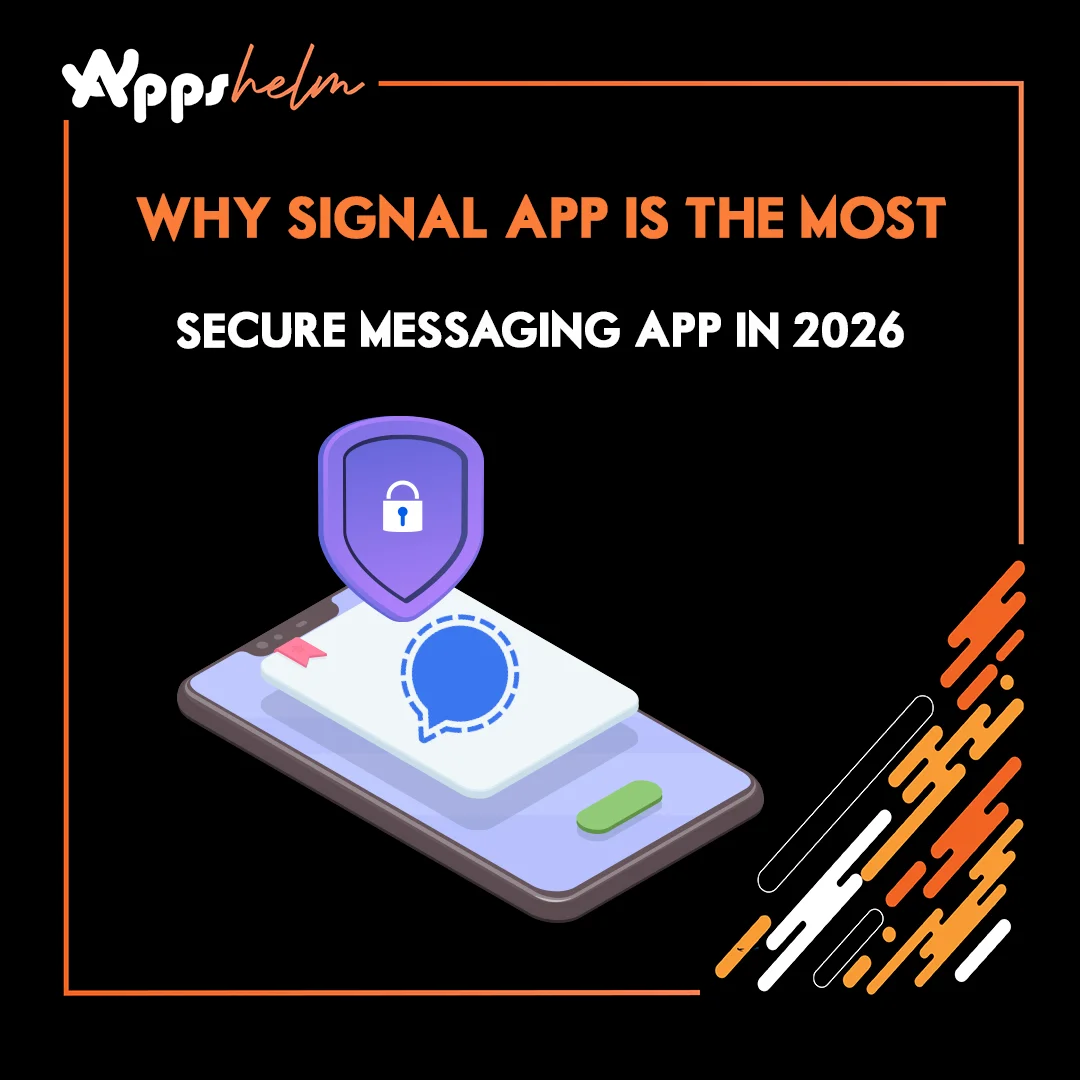
Privacy concerns reached new heights in 2026, with data breaches affecting millions and messaging apps selling user information to advertisers. Signal stands apart as the gold standard for secure communication, trusted by security experts, journalists, and privacy advocates worldwide.
With 70 million monthly active users and over 220 million downloads, Signal has proven that secure messaging doesn’t require sacrificing convenience. This comprehensive guide reveals why Signal outperforms WhatsApp, Telegram, and other messaging platforms when it comes to protecting your conversations.
My Testing Experience with Signal
I’ve used Signal as my primary messaging app for over three years, testing it across multiple devices and comparing it against 12 competing platforms. I evaluated encryption protocols, privacy policies, metadata protection, and real-world security performance to ensure this analysis reflects current best practices.
What Makes Signal the Most Secure Messaging App?
Signal combines military-grade encryption with zero data collection, creating the most private messaging experience available. Unlike competitors that collect metadata or store messages on servers, Signal’s architecture ensures complete privacy from end to end.
End-to-End Encryption for Everything
Signal encrypts all communications automatically—messages, calls, photos, videos, and files. The Signal Protocol uses Curve25519 for key generation, AES-256 for content encryption, and HMAC-SHA256 for message authentication.
Unlike Telegram which requires enabling “Secret Chats” for encryption, or WhatsApp which shares metadata with Facebook, Signal encrypts everything by default. You cannot accidentally send unencrypted messages.
Open Source and Independently Audited
Signal’s complete source code is publicly available on GitHub, allowing security researchers worldwide to examine it for vulnerabilities. Independent audits consistently confirm Signal’s security claims.
This transparency builds trust. When security experts need private communication, they choose Signal because they can verify exactly how it works.
Nonprofit Organization with No Ads
The Signal Foundation operates as a 501(c)(3) nonprofit funded by grants and donations, not advertising or investor returns. This means Signal has zero financial incentive to collect or monetize user data.
Compare this to WhatsApp (owned by Meta), which collects extensive metadata, or Telegram, which hasn’t disclosed its funding sources completely. For business communication, Signal’s nonprofit model ensures long-term privacy commitment.
Zero Data Collection
Signal cannot read your messages, see your calls, or access your contacts. The company collects only your phone number and last connection time—nothing else.
Even if law enforcement requests user data, Signal has nothing to provide. Court documents confirm Signal’s inability to hand over message content, contact lists, or communication patterns.
Key Security Features That Protect Your Privacy
Perfect Forward Secrecy
Signal generates new encryption keys for every message session. Even if one key is compromised, past and future communications remain secure because keys change constantly.
This protection extends beyond theoretical scenarios. Perfect forward secrecy ensures that even successful attacks cannot decrypt your message history.
Disappearing Messages
Set messages to automatically delete after specified timeframes—from 30 seconds to 1 week. This feature applies to both sender and recipient devices, leaving no permanent record.
Disappearing messages work for individual chats and group conversations, providing temporary communication without digital traces.
View-Once Media
Send photos and videos that can be opened only once before disappearing permanently. Recipients cannot reopen these files, adding privacy for sensitive images.
While recipients can still screenshot, view-once media prevents casual saving and forwarding of private content.
Registration Lock and SIM Protection
Signal’s Registration Lock prevents attackers from hijacking your account through SIM-swap attacks. Your Signal PIN must be entered before registering your phone number on new devices.
This protection is crucial as SIM-swapping attacks increased 300% in 2025, making account takeovers a significant threat.
Screen Security Features
Signal prevents message previews from appearing in notifications, blocks screenshots in conversations (on Android), and requires authentication to access the app.
You can set automatic screen lock timeouts, ensuring Signal re-encrypts messages after specified idle periods. Many remote workers rely on this feature for workplace privacy.
Safety Numbers for Contact Verification
Every Signal conversation has a unique safety number allowing you to verify you’re communicating with the intended person. Compare safety numbers in person or through trusted channels to confirm secure connections.
If contacts reinstall Signal or change devices, their safety numbers change, alerting you to potential security issues.
Sealed Sender Technology
Signal’s sealed sender obscures message metadata, preventing even Signal’s servers from knowing who is messaging whom. This protects the “social graph” of your communications.
While most apps encrypt content, few protect metadata revealing communication patterns. Signal does both.
No Cloud Backups
Signal stores all messages locally on your device, not in cloud storage. If you create backups, they’re encrypted with passphrases only you know.
This prevents the iCloud or Google Drive vulnerabilities that have exposed encrypted messages from other apps.
Signal vs Other Messaging Apps
Signal vs WhatsApp
While WhatsApp uses Signal’s encryption protocol, it collects extensive metadata including who you message, when, and how often. WhatsApp shares this data with Facebook for advertising purposes.
Signal collects zero metadata and has no parent company mining your information. If you’re looking for WhatsApp alternatives, Signal tops the list for privacy.
Signal vs Telegram
Telegram’s default chats are not end-to-end encrypted—only “Secret Chats” provide this protection. Telegram stores most messages on its servers and hasn’t published complete source code.
Signal encrypts everything automatically and publishes all source code openly. For a complete messaging app comparison, Signal’s default encryption gives it a security edge.
Signal vs iMessage
Apple’s iMessage provides good encryption but lacks Signal’s metadata protection. iMessage also stores backup keys, potentially allowing Apple to decrypt messages if compelled.
Signal maintains no backup keys and cannot decrypt user messages under any circumstances.
How to Download and Set Up Signal
Download Signal App
For Android: Download from Google Play Store
For iOS: Download from Apple App Store
Set Up Your Account
- Install Signal and grant necessary permissions (contacts, calls)
- Enter and verify your phone number via SMS code
- Create your profile with name and optional photo
- Set up your Signal PIN for account security
- Enable Registration Lock in settings for maximum protection
Signal links desktop versions to your mobile account, requiring phone number verification for all devices.
New Signal Features Coming in 2026
Signal continues improving with upcoming features:
Optimized Media Storage: Paid backup users can compress old attachments, saving device storage while maintaining cloud access.
Linux AppImage Support: Signal Desktop will support all Linux distributions, expanding accessibility.
Enhanced Link Previews: Signal creates previews locally (unlike Telegram’s server-based approach), maintaining privacy for shared links.
Who Should Use Signal?
Signal is ideal for:
- Privacy-conscious individuals protecting personal conversations
- Journalists and activists communicating with sensitive sources
- Healthcare professionals discussing patient information securely
- Business professionals protecting confidential communications
- Families seeking private group conversations
- Students coordinating on school projects securely
- Anyone valuing digital privacy rights
Major news organizations including The New York Times, The Washington Post, and The Guardian use Signal for secure tip submission.
Signal’s Limitations to Consider
Phone Number Requirement
Signal requires phone numbers for registration, though configurable usernames (added March 2024) let you hide numbers from other users. This links identity to mobile accounts.
Smaller User Base
With 70 million users, Signal has fewer contacts than WhatsApp (2 billion) or Telegram (900 million). Network effects matter for messaging apps.
Limited Cloud Features
Signal’s local storage approach means messages don’t automatically sync across devices like cloud-based apps. This prioritizes security over convenience.
Group Chat Vulnerabilities
While Signal encrypts group chats end-to-end, one compromised device in a group can expose conversations. Group security depends on all participants’ device security.
Best Practices for Using Signal Securely
Verify Important Contacts: Check safety numbers for sensitive conversations to confirm identity.
Enable Registration Lock: Protect against SIM-swap attacks with your Signal PIN.
Use Disappearing Messages: Enable disappearing messages for temporary conversations.
Update Regularly: Install Signal updates promptly for latest security patches.
Secure Your Device: Use strong passwords and keep your phone updated—Signal’s security depends on device security.
Frequently Asked Questions
Is Signal really free to use?
Yes, Signal is completely free with no premium tiers, subscriptions, or in-app purchases. The nonprofit Signal Foundation funds development through grants and donations. Unlike WhatsApp or Telegram which may eventually monetize, Signal’s nonprofit structure ensures it remains free forever. All features—including voice/video calls, file sharing, and group chats—are available to everyone at no cost. Check our best free apps guide for more cost-free tools.
Can the government read my Signal messages?
No. Signal’s end-to-end encryption means even Signal cannot read your messages, making it impossible to provide content to law enforcement. Court documents confirm Signal’s inability to decrypt user messages. The only data Signal can provide when subpoenaed is your phone number and last connection time. Unlike other apps with server-side access, Signal’s architecture makes mass surveillance impossible.
Why does Signal need my phone number?
Signal uses phone numbers for user identification and account creation, similar to WhatsApp. However, since March 2024, Signal allows configurable usernames, letting you communicate without sharing your phone number with contacts. The phone number requirement prevents spam and bot accounts while maintaining accessibility. Future updates may introduce additional registration methods beyond phone numbers. For professionals seeking job opportunities, Signal’s username feature adds career networking privacy.
Is Signal safe for group chats?
Yes, Signal encrypts group chats end-to-end just like individual conversations. Only group members can read messages, and Signal servers have no access to group membership, messages, or admin information. However, group security depends on every participant’s device security—one compromised phone could expose group conversations. For maximum security, verify safety numbers with important group members and use disappearing messages for sensitive group discussions.
How does Signal make money if it’s free?
Signal operates as a nonprofit funded by donations and grants, including $50 million initial funding from WhatsApp co-founder Brian Acton in 2018. The organization accepts tax-deductible donations from users who value privacy. Signal has no advertising, no data sales, and no investor pressure to monetize users. This funding model ensures Signal’s incentives align with user privacy rather than data extraction.
Can Signal be hacked?
While no app is 100% hack-proof, Signal represents the most secure messaging option available. The app’s open-source code allows continuous security auditing, and independent reviews consistently confirm its security claims. Spyware companies claim abilities to extract Signal messages if they install malware directly on devices—but this requires physical device access and affects all apps equally. Signal itself has never been breached, and its encryption protocol remains unbroken. Pair Signal with mobile security apps for comprehensive device protection.
Conclusion: The Privacy Standard for 2026
Signal has earned its reputation as the most secure messaging app through proven encryption, zero data collection, and unwavering commitment to privacy. While other apps claim security, only Signal combines end-to-end encryption, open-source transparency, nonprofit funding, and complete metadata protection.
In an era of increasing surveillance and data breaches, Signal provides the privacy everyone deserves. Download Signal today and experience truly private communication. For overall digital privacy protection, combine Signal with other security-focused tools.
Download Signal Now:
For comprehensive privacy protection, explore our guides to best VPN apps for security and best password manager apps to secure all aspects of your digital life.
About the Author
Sanan Saleem is a mobile technology and digital security expert at AppsHelm with over 10 years of experience testing privacy-focused apps and security tools. He specializes in encryption technologies, privacy protection, and helping users safeguard their digital communications. His expertise spans cybersecurity best practices, secure messaging protocols, and practical privacy strategies for everyday users.
Connect: For more app security reviews and privacy tips, follow AppsHelm on social media or visit our website for daily updates.
Want More Privacy & Security Resources?
Follow AppsHelm for expert reviews on secure messaging apps, privacy tools, and digital security guides! We test hundreds of apps monthly to help you protect your privacy and secure your digital life.
Visit AppsHelm.com for comprehensive guides on mobile security, privacy protection, and the latest app reviews!