
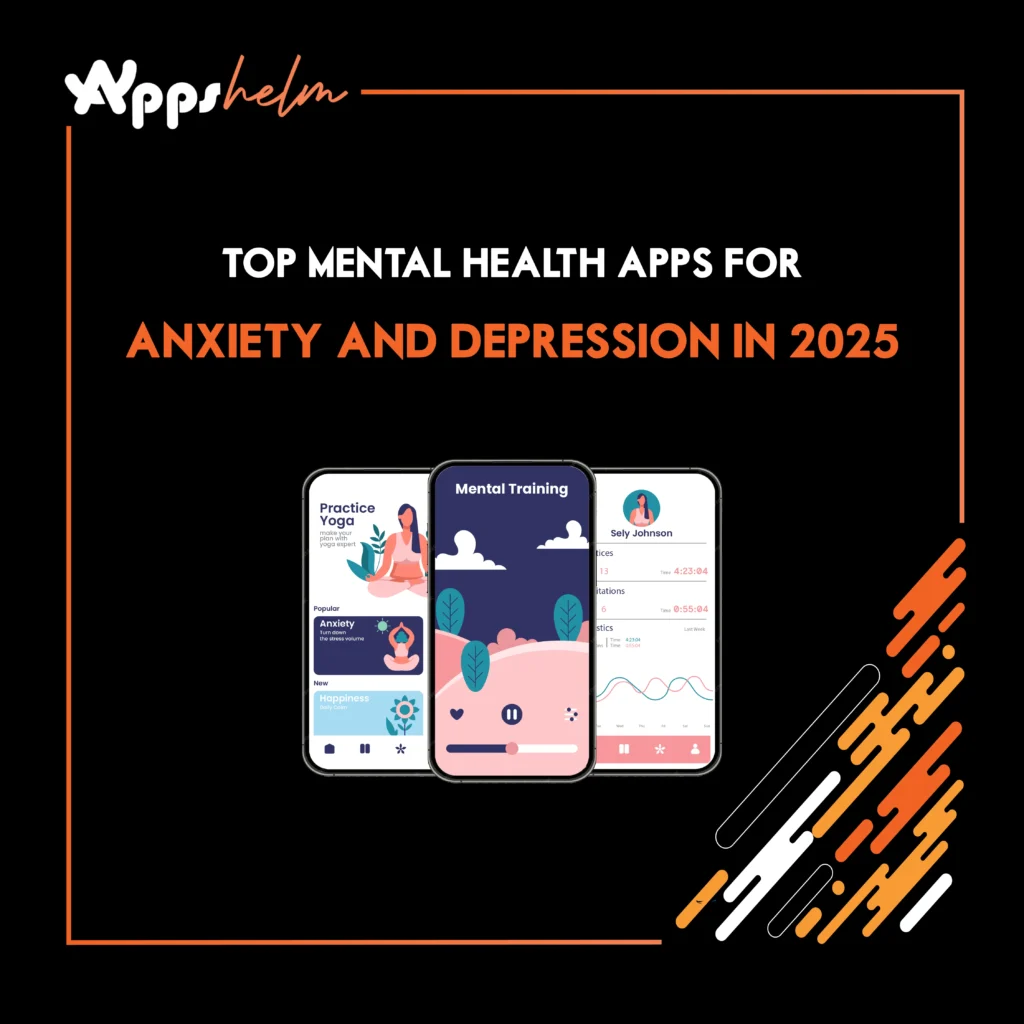
Mental health awareness has reached unprecedented levels in 2025, with millions of people actively seeking support for anxiety and depression. According to recent statistics, approximately 280 million people worldwide experience depression, while anxiety disorders affect over 300 million individuals.
In this digital age, mental health apps have emerged as accessible, affordable, and effective tools to complement traditional therapy and support emotional wellness.
This comprehensive guide explores the top mental health apps for anxiety and depression in 2025, helping you make informed decisions about which digital tools can best support your mental wellness journey.
Why Mental Health Apps Matter in 2025
The Rise of Digital Mental Health Support
Mental health apps provide several crucial benefits that make them increasingly popular:
Key Benefits of Mental Health Apps
Accessibility: Available 24/7 from your smartphone, wherever you are.
Affordability: Many offer free versions or cost significantly less than traditional therapy sessions.
Privacy: Practice mental health exercises in a comfortable, private setting without stigma.
Consistency: Daily reminders and structured programs support habit formation and regular practice.
Evidence-Based: Many apps incorporate clinically-proven techniques like CBT and mindfulness.
Important Safety Note
While mental health apps are valuable tools, they should not replace professional medical treatment for serious mental health conditions. Always consult with a qualified healthcare provider for diagnosis and treatment.
Top Mental Health Apps for Anxiety and Depression
1. Headspace: Meditation & Sleep
Overview
Best For: Beginners to meditation and mindfulness
Headspace remains one of the most popular meditation apps in 2025, offering structured programs specifically designed for anxiety and stress management.
Key Features
- Guided meditation sessions (3-20 minutes)
- Anxiety and stress management courses
- Sleep sounds and sleepcasts
- Mindful movement exercises
- Progress tracking and streaks
Pricing and Availability
Platform: iOS, Android, Web Price: Free trial available, subscription starts at $12.99/month
Download Links
Why It Works
Headspace uses evidence-based mindfulness techniques that have been shown to reduce anxiety symptoms by up to 32% in clinical studies.
2. Calm: Sleep, Meditation & Relaxation
Overview
Best For: Sleep issues related to anxiety and depression
Calm has established itself as a leading mental wellness app with comprehensive features for managing anxiety, depression, and sleep disorders.
Key Features
- Daily meditation programs
- Sleep stories narrated by celebrities
- Breathing exercises for anxiety relief
- Music and soundscapes for relaxation
- Masterclasses on mental health topics
Pricing and Availability
Platform: iOS, Android, Web Price: Free version available, Premium at $14.99/month
Download Links
Clinical Backing
Studies show that regular use of Calm’s meditation programs can improve sleep quality by 30% and reduce stress levels significantly.
3. BetterHelp: Online Therapy & Counseling
Overview
Best For: Professional therapy and counseling support
BetterHelp connects users with licensed therapists for online counseling sessions, making professional mental health support more accessible.
Key Features
- Match with licensed therapists
- Text, voice, and video sessions
- Flexible scheduling
- Unlimited messaging with therapist
- Specialized therapists for anxiety and depression
Pricing and Availability
Platform: iOS, Android, Web Price: $60-$90 per week (billed monthly)
Download Links
Professional Standards
All therapists are licensed, trained, and experienced in treating anxiety and depression using evidence-based approaches.
4. Sanvello: Anxiety & Depression
Overview
Best For: Comprehensive mood tracking and CBT exercises
Sanvello (formerly Pacifica) offers clinically-validated tools based on Cognitive Behavioral Therapy (CBT) and mindfulness.
Key Features
- Daily mood and health tracking
- CBT-based thought exercises
- Guided journeys for specific goals
- Peer support community
- Meditation and relaxation tools
Pricing and Availability
Platform: iOS, Android Price: Free version available, Premium at $8.99/month
Download Links
Evidence-Based
Sanvello’s methods are based on CBT, which is considered one of the most effective treatments for anxiety and depression.
5. Talkspace: Online Therapy
Overview
Best For: Text-based therapy with licensed professionals
Talkspace provides unlimited messaging therapy with licensed therapists, making mental health support convenient and accessible.
Key Features
- Unlimited text messaging with therapist
- Optional live video sessions
- Psychiatry services available
- Insurance accepted
- Specialized treatment plans
Pricing and Availability
Platform: iOS, Android, Web Price: Starts at $69/week
Download Links
Accessibility
Available in all 50 US states with various insurance options, making professional help more affordable.
6. MindShift CBT: Anxiety Relief
Overview
Best For: Young adults and teens with anxiety
Developed by Anxiety Canada, MindShift uses CBT principles to help users manage anxiety and worry.
Key Features
- Quick relief exercises
- Goal setting and tracking
- Thought journal for CBT practice
- Coping cards for difficult situations
- Community stories and support
Pricing and Availability
Platform: iOS, Android Price: Completely Free
Download Links
Non-Profit Support
Created by a reputable mental health organization, ensuring evidence-based content.
7. Moodfit: Mental Health Fitness
Overview
Best For: Holistic mental health tracking and improvement
Moodfit takes a comprehensive approach to mental wellness, treating it like physical fitness.
Key Features
- Mood, sleep, and activity tracking
- Customizable daily goals
- CBT and gratitude exercises
- Breathing and meditation tools
- Progress insights and analytics
Pricing and Availability
Platform: iOS, Android Price: Free with in-app purchases
Download Links
Holistic Approach
Addresses multiple factors affecting mental health including sleep, exercise, social connection, and nutrition.
8. Wysa: Mental Health Support
Overview
Best For: AI-powered immediate support and exercises
Wysa uses artificial intelligence to provide immediate mental health support through conversational therapy.
Key Features
- AI chatbot for 24/7 support
- Evidence-based CBT techniques
- Mood tracking and insights
- Optional human therapist support
- Anonymous and private
Pricing and Availability
Platform: iOS, Android, Web Price: Free version available, Premium at $9.99/month
Download Links
Innovation
Combines AI technology with clinical psychology to provide immediate, judgment-free support.
9. Rootd: Panic Attack & Anxiety Relief
Overview
Best For: Panic attacks and acute anxiety management
Rootd specializes in helping users manage panic attacks and acute anxiety episodes in real-time.
Key Features
- Emergency panic button
- Guided breathing exercises
- Lessons on understanding anxiety
- Progress tracking
- Personalized anxiety management
Pricing and Availability
Platform: iOS, Android Price: $5.99 one-time purchase
Download Links
Immediate Relief
Specifically designed for emergency situations when anxiety or panic attacks strike.
10. Happify: Stress & Anxiety Relief
Overview
Best For: Gamified mental wellness activities
Happify turns mental health improvement into an engaging, game-like experience based on positive psychology.
Key Features
- Science-based activities and games
- Personalized tracks for goals
- Progress measurement
- Community support
- Gratitude and mindfulness exercises
Pricing and Availability
Platform: iOS, Android, Web Price: Free version available, Premium at $14.99/month
Download Links
Research-Backed
Developed with input from leading scientists and therapists in positive psychology.
Understanding Mobile Mental Health Apps
What Are Mental Health Apps?
Mental health apps are mobile applications designed to support emotional wellness, manage symptoms of anxiety and depression, and promote overall mental well-being. These apps range from simple meditation timers to comprehensive platforms offering professional therapy services.
Types of Mental Health Apps
1. Meditation and Mindfulness Apps
These apps focus on breathing exercises and guided meditation to reduce stress and anxiety.
Examples: Headspace, Calm
Best for: Stress reduction and anxiety management
2. Therapy and Counseling Apps
Connect users with licensed mental health professionals for remote therapy sessions.
Examples: BetterHelp, Talkspace
Best for: Professional support and clinical treatment
3. Mood Tracking Apps
Monitor emotional states and identify patterns over time to understand your mental health better.
Examples: Moodfit, Sanvello
Best for: Self-awareness and progress tracking
4. CBT-Based Apps
Use Cognitive Behavioral Therapy techniques to help change negative thought patterns.
Examples: Sanvello, MindShift
Best for: Changing negative thought patterns
5. Crisis Support Apps
Provide immediate help during mental health emergencies or acute anxiety episodes.
Examples: Wysa, Rootd
Best for: Panic attacks and acute anxiety
How Mobile Mental Health Apps Work
Technical Features Explained
Push Notifications
Apps send reminders for daily exercises, meditation sessions, or check-ins to maintain consistency in your mental health routine.
Data Tracking
Advanced algorithms track mood patterns, sleep quality, and activity levels to provide personalized insights into your mental health trends.
AI Integration
Some apps use artificial intelligence to provide immediate responses and customize user experiences based on your specific needs and patterns.
Cloud Synchronization
Your progress and data sync across devices, ensuring continuity in your mental health journey whether you use your phone, tablet, or computer.
Privacy Protection
End-to-end encryption protects sensitive mental health information from unauthorized access, keeping your data secure and confidential.
How to Choose the Right Mental Health App
Consider Your Primary Concerns
For Anxiety Management
Recommended Apps:
- Headspace – Structured meditation programs
- MindShift – CBT techniques for worry
- Rootd – Emergency panic relief
For Depression Support
Recommended Apps:
- Sanvello – Mood tracking and CBT
- Moodfit – Comprehensive wellness approach
- BetterHelp – Professional therapy
For Sleep Issues
Recommended Apps:
- Calm – Sleep stories and soundscapes
- Headspace – Sleep meditation courses
For Professional Therapy
Recommended Apps:
- BetterHelp – Unlimited messaging with therapist
- Talkspace – Text and video sessions
For Immediate Support
Recommended Apps:
- Wysa – 24/7 AI chatbot
- Rootd – Panic attack emergency tools
Evaluate Key Features
1. Type of Support
Consider whether you need:
- Self-guided exercises vs. professional therapy
- AI chatbots vs. human therapists
- Community support availability
2. Cost Considerations
Evaluate your budget:
- Free versions with limited features
- Subscription models (monthly/annual)
- One-time purchases
- Insurance coverage options
3. Privacy and Security
Check for:
- HIPAA compliance (for US users)
- Data encryption standards
- Privacy policy transparency
- Anonymous usage options
4. Evidence-Based Approaches
Look for apps using:
- CBT (Cognitive Behavioral Therapy)
- Mindfulness-based stress reduction
- Positive psychology techniques
- Clinical validation and research
5. User Experience
Consider:
- Intuitive interface design
- Easy navigation
- Customization options
- Offline functionality
6. Platform Compatibility
Verify:
- iOS availability
- Android availability
- Web access
- Wearable device integration
Setting Up Your Mental Health App
Step-by-Step Installation Guide
Step 1: Download and Installation
- Visit App Store or Google Play Store
- Search for your chosen app
- Download and install on your device
- Grant necessary permissions (notifications, health data)
Step 2: Initial Assessment
- Complete onboarding questionnaire
- Set your mental health goals
- Choose your focus areas (anxiety, depression, sleep)
- Customize notification preferences
Step 3: Create Your Routine
- Schedule daily check-ins
- Set meditation or exercise reminders
- Establish realistic goals
- Plan your usage times
Step 4: Explore Features
- Try different exercises and techniques
- Explore meditation libraries
- Test mood tracking tools
- Review educational content
Step 5: Track Progress
- Monitor mood changes
- Review insights and analytics
- Adjust goals as needed
- Celebrate small victories
Maximizing Benefits from Mental Health Apps
Best Practices for Success
1. Consistency is Key
Daily Usage Matters:
- Use your app daily, even if just for 5 minutes
- Set specific times for app usage
- Enable reminders and notifications
- Make it part of your daily routine
2. Set Realistic Expectations
Understanding Progress:
- Progress takes time (typically 2-4 weeks)
- Results vary by individual
- Apps complement, not replace, professional help
- Be patient with yourself
3. Combine Multiple Approaches
Comprehensive Care:
- Use meditation apps for mindfulness
- Use tracking apps for insights
- Consider therapy apps for professional support
- Integrate with lifestyle changes
4. Engage Actively
Full Participation:
- Complete exercises fully
- Reflect on lessons learned
- Journal your experiences
- Participate in community features
5. Monitor Your Progress
Regular Reviews:
- Review mood trends weekly
- Identify patterns and triggers
- Adjust strategies as needed
- Share insights with healthcare provider
6. Maintain Privacy Awareness
Protect Your Data:
- Review app permissions regularly
- Understand data usage policies
- Use strong passwords
- Enable two-factor authentication
Important Safety Considerations
When Apps Are Not Enough
Mental health apps are valuable tools but cannot replace professional medical care. Seek immediate professional help if you experience:
Immediate Crisis Situations
Seek Emergency Help For:
- Thoughts of self-harm or suicide
- Plans to harm yourself or others
- Severe panic attacks or overwhelming anxiety
- Inability to function in daily life
- Hallucinations or delusions
- Substance abuse or addiction issues
Persistent Symptoms
Consult a Professional For:
- Depression lasting more than two weeks
- Anxiety interfering with work or relationships
- Sleep problems affecting daily functioning
- Physical symptoms without medical explanation
- Loss of interest in activities you once enjoyed
Privacy and Data Security
Understanding App Privacy
What Data Do Mental Health Apps Collect?
Common Data Points:
- Mood and symptom tracking
- Usage patterns and engagement
- Personal information (name, email, age)
- Health and wellness data
- Communication with therapists (for therapy apps)
How Is Your Data Protected?
Security Measures:
- End-to-end encryption for sensitive data
- HIPAA compliance (for therapy apps in the US)
- Secure cloud storage
- Regular security audits
- Anonymous usage options
What You Should Check
Before Signing Up:
- Read privacy policies before signing up
- Understand how your data is used
- Check if data is shared with third parties
- Verify security certifications
- Review app permissions carefully
Your Rights
User Control:
- Request data deletion
- Export your data
- Opt-out of data sharing
- Control notification settings
- Cancel subscriptions anytime
Cost Comparison and Value
Free vs. Paid Apps
Free Apps
Pros:
- No financial commitment
- Try before you buy
- Basic features for beginners
- Good for casual users
Cons:
- Limited features
- Advertisement interruptions
- Less personalization
- Restricted content access
Paid Apps
Pros:
- Comprehensive features
- Ad-free experience
- Professional therapist access (therapy apps)
- Advanced tracking and insights
- Priority customer support
Cons:
- Monthly/annual subscription costs
- Financial commitment required
- May need to try multiple apps
Cost-Effectiveness Analysis
Traditional Therapy Comparison
Traditional Therapy: $100-$200 per session Mental Health Apps: $5-$90 per month
Potential Savings: Apps can cost 50-90% less than traditional therapy while providing daily support.
Best Value Options
Budget-Friendly Choices:
- Free: MindShift CBT (completely free)
- Budget-Friendly: Sanvello ($8.99/month)
- Mid-Range: Headspace ($12.99/month)
- Premium: BetterHelp ($60-$90/week)
The Future of Mental Health Apps
Emerging Trends in 2025 and Beyond
1. AI and Machine Learning
Advanced Technology:
- More personalized recommendations
- Predictive analytics for mood patterns
- Adaptive therapy approaches
- Natural language processing for better chatbots
2. Virtual Reality Integration
Immersive Experiences:
- Immersive meditation experiences
- Exposure therapy for phobias
- Virtual therapy environments
- Stress relief simulations
3. Wearable Device Integration
Real-Time Monitoring:
- Real-time stress monitoring via smartwatches
- Heart rate variability tracking
- Sleep quality analysis
- Activity and exercise integration
4. Expanded Insurance Coverage
Increased Accessibility:
- More insurance plans covering app subscriptions
- Integration with traditional healthcare
- Prescription mental health apps
- Corporate wellness programs
5. Enhanced Privacy Features
Better Security:
- Blockchain for data security
- Decentralized data storage
- Enhanced encryption methods
- Greater user control over data
6. Social Features
Community Support:
- Safe peer support communities
- Group therapy sessions
- Family involvement options
- Progress sharing with healthcare providers
Success Stories and Clinical Evidence
Research-Backed Results
Headspace Studies
Clinical Findings:
- 32% reduction in anxiety symptoms after 30 days
- Improved focus and concentration in 10 days
- Better sleep quality reported by 28% of users
Sanvello Clinical Trials
Research Outcomes:
- Significant reduction in depression symptoms
- Decreased anxiety levels with regular use
- Improved overall mental wellness scores
General Mental Health App Research
Industry Statistics:
- 70% of users report improved mood awareness
- 50% reduction in therapy waiting times
- Increased access to mental health support for underserved communities
- Higher treatment adherence rates compared to traditional therapy alone
Tips for Healthcare Providers
Recommending Apps to Patients
Assessment Considerations
What to Evaluate:
- Patient’s comfort level with technology
- Severity of symptoms
- Treatment goals and preferences
- Budget and insurance coverage
- Need for professional intervention
Integration with Treatment
How to Incorporate:
- Use apps as homework between sessions
- Review app data during appointments
- Monitor progress through app insights
- Adjust treatment based on app tracking
- Encourage consistent usage
Recommended Apps by Condition
Clinical Recommendations:
- Mild-Moderate Anxiety: Headspace, Calm, MindShift
- Mild-Moderate Depression: Sanvello, Moodfit
- Severe Symptoms: BetterHelp, Talkspace (as supplement)
- Panic Disorder: Rootd, Sanvello
- Sleep Issues: Calm, Headspace
Frequently Asked Questions (FAQs)
Common Questions About Mental Health Apps
Q: Are mental health apps effective for treating anxiety and depression?
Answer: Yes, research shows that mental health apps using evidence-based techniques like CBT and mindfulness can significantly reduce symptoms of anxiety and depression. Clinical studies demonstrate that regular app users experience 25-35% improvement in symptoms. However, they work best as complementary tools alongside professional treatment when needed, especially for moderate to severe conditions.
Q: Are mental health apps confidential and secure?
Answer: Most reputable mental health apps use end-to-end encryption and follow strict privacy standards including HIPAA compliance in the US. However, always review the app’s privacy policy before use. Look for apps that are transparent about data collection, storage, and sharing practices. Therapy apps typically have stronger privacy protections than general wellness apps.
Q: Do I need a prescription to use mental health apps?
Answer: No, most mental health apps are available without prescription and can be downloaded directly from app stores. However, some therapy platforms may require an initial mental health assessment before matching you with a therapist. Apps offering psychiatric services or medication management may require prescriptions.
Q: Can I use mental health apps instead of seeing a therapist?
Answer: For mild to moderate symptoms, self-help apps may be sufficient for some individuals. However, severe anxiety or depression should be treated by licensed mental health professionals. Mental health apps can complement but not replace professional care. Many therapists actually recommend apps as tools to support traditional therapy.
Q: Are there completely free mental health apps?
Answer: Yes, several apps offer free versions. MindShift CBT is completely free with all features. Apps like Headspace, Calm, Sanvello, and Wysa offer free versions with basic features, though premium subscriptions unlock additional content. Some insurance plans now cover mental health app subscriptions.
Q: How long does it take to see results from mental health apps?
Answer: Most users report noticeable improvements within 2-4 weeks of consistent daily use. However, results vary based on severity of symptoms, frequency of use, and individual factors. Consistency is key – using the app for just 10 minutes daily is more effective than occasional longer sessions.
Q: Will my insurance cover mental health apps?
Answer: Insurance coverage for mental health apps is expanding. Some therapy apps like BetterHelp and Talkspace accept insurance or offer reimbursement options. Check with your insurance provider about digital mental health coverage. Many employer wellness programs also provide free or discounted access to mental health apps.
Q: Can teenagers use mental health apps?
Answer: Yes, many mental health apps are appropriate for teenagers. MindShift CBT is specifically designed for young adults and teens. However, parental guidance is recommended for users under 18. Some apps require users to be 18+ for therapy services. Always check age requirements and consider parental controls.
Q: What if I’m in a mental health crisis?
Answer: Mental health apps are not designed for crisis situations. If you’re experiencing thoughts of self-harm, suicidal ideation, or severe distress, call emergency services (911 in the US), the National Suicide Prevention Lifeline (988), or Crisis Text Line (text HOME to 741741). Some apps like Wysa provide crisis resources, but immediate professional help is essential.
Q: Can I use multiple mental health apps at the same time?
Answer: Yes, many people successfully use multiple apps to address different needs. For example, you might use Headspace for meditation, Sanvello for mood tracking, and BetterHelp for therapy. However, avoid overwhelming yourself – start with one or two apps and add more as needed.
Conclusion
Taking Control of Your Mental Health
Mental health apps have revolutionized the way we approach emotional wellness in 2025. Whether you’re seeking professional therapy through platforms like BetterHelp and Talkspace, practicing mindfulness with Headspace and Calm, tracking your moods with Sanvello and Moodfit, or finding immediate support through Wysa and Rootd, there’s an app designed to support your unique mental health journey.
Key Takeaways
Important Points to Remember:
Mental health apps provide accessible, affordable support for anxiety and depression
Evidence-based apps using CBT and mindfulness show measurable results
Apps complement but don’t replace professional mental health treatment
Consistency is crucial – daily use yields best results
Privacy and security should be top priorities when choosing an app
Free and paid options available for various budgets
Most users see improvements within 2-4 weeks of regular use
Taking the Next Step
Start Your Journey Today
Action Steps:
- Identify your primary mental health concerns
- Download one or two apps that match your needs
- Commit to daily use for at least 2 weeks
- Track your progress and adjust as needed
- Consult with a healthcare provider for comprehensive support
Final Thoughts
The Digital Mental Health Revolution
The future of mental health care is increasingly digital, making support more accessible than ever before. These apps empower individuals to take an active role in their mental wellness while breaking down barriers of cost, stigma, and accessibility.
Whether you’re dealing with occasional anxiety, managing chronic depression, or simply looking to improve your overall mental fitness, there’s an app that can help.
Your Mental Health Matters
Take that first step today – download an app, set aside 10 minutes for yourself, and begin your journey toward better mental health. You deserve to feel better, and these tools can help you get there.
Medical Disclaimer
Important Legal Information
This article is for informational and educational purposes only and should not be considered medical advice. Mental health apps are tools to support wellness but cannot diagnose conditions or replace professional medical treatment.